Capture surplus generation
Store energy when PV output exceeds immediate demand or dispatch needs.

Utility-Scale Energy Storage Solution
Bring solar generation, containerized battery storage and AC-coupled control together in one scalable energy system.
Why Utility-Scale Storage
Large energy projects need storage that responds to generation variability, grid conditions and changing demand.
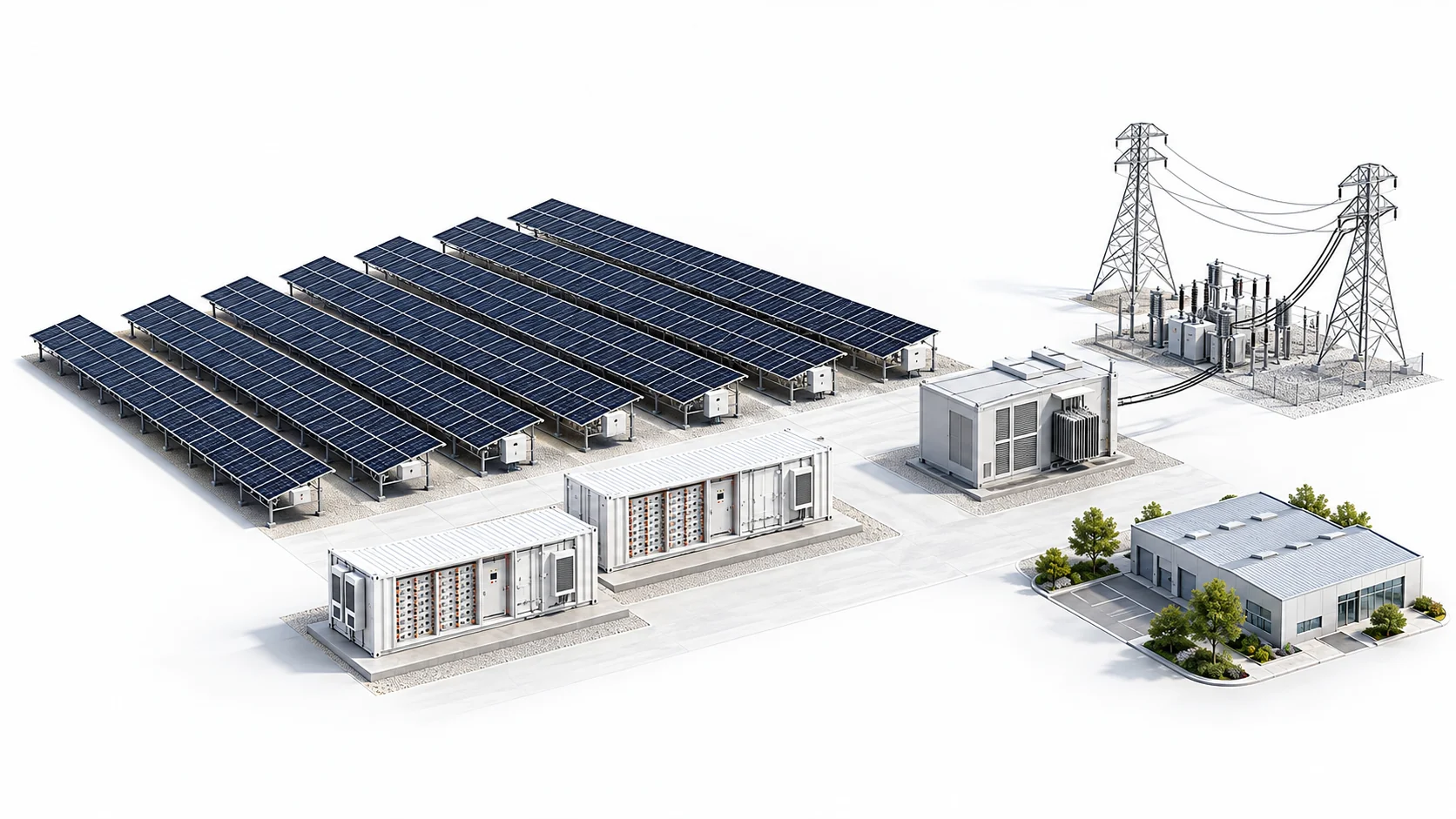
Store energy when PV output exceeds immediate demand or dispatch needs.
Coordinate charge and discharge around power and capacity requirements.
Plan container, PCS and MV capacity around the project roadmap.
Use EMS visibility to align generation, storage and interconnection.
How It Works · The Technology Path
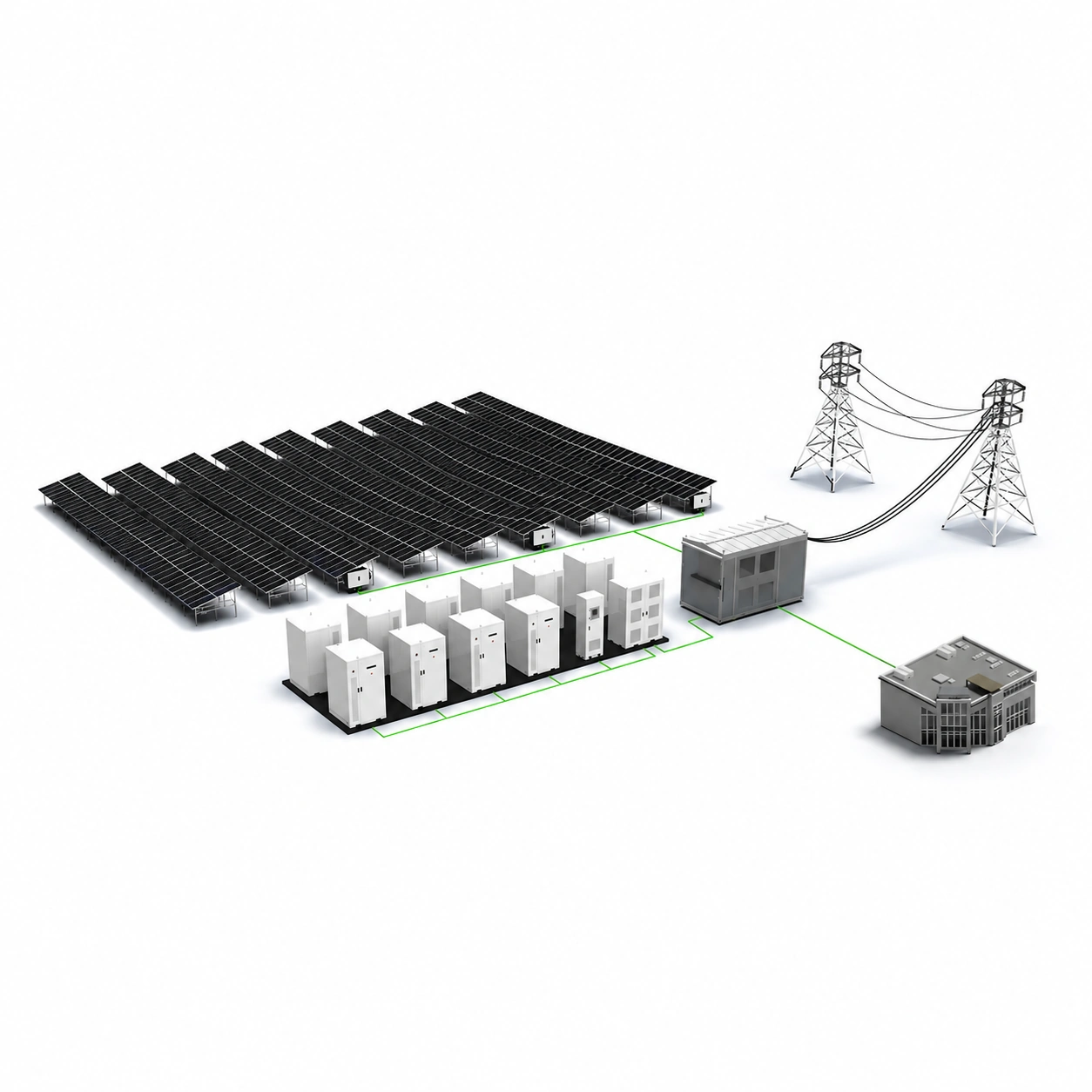
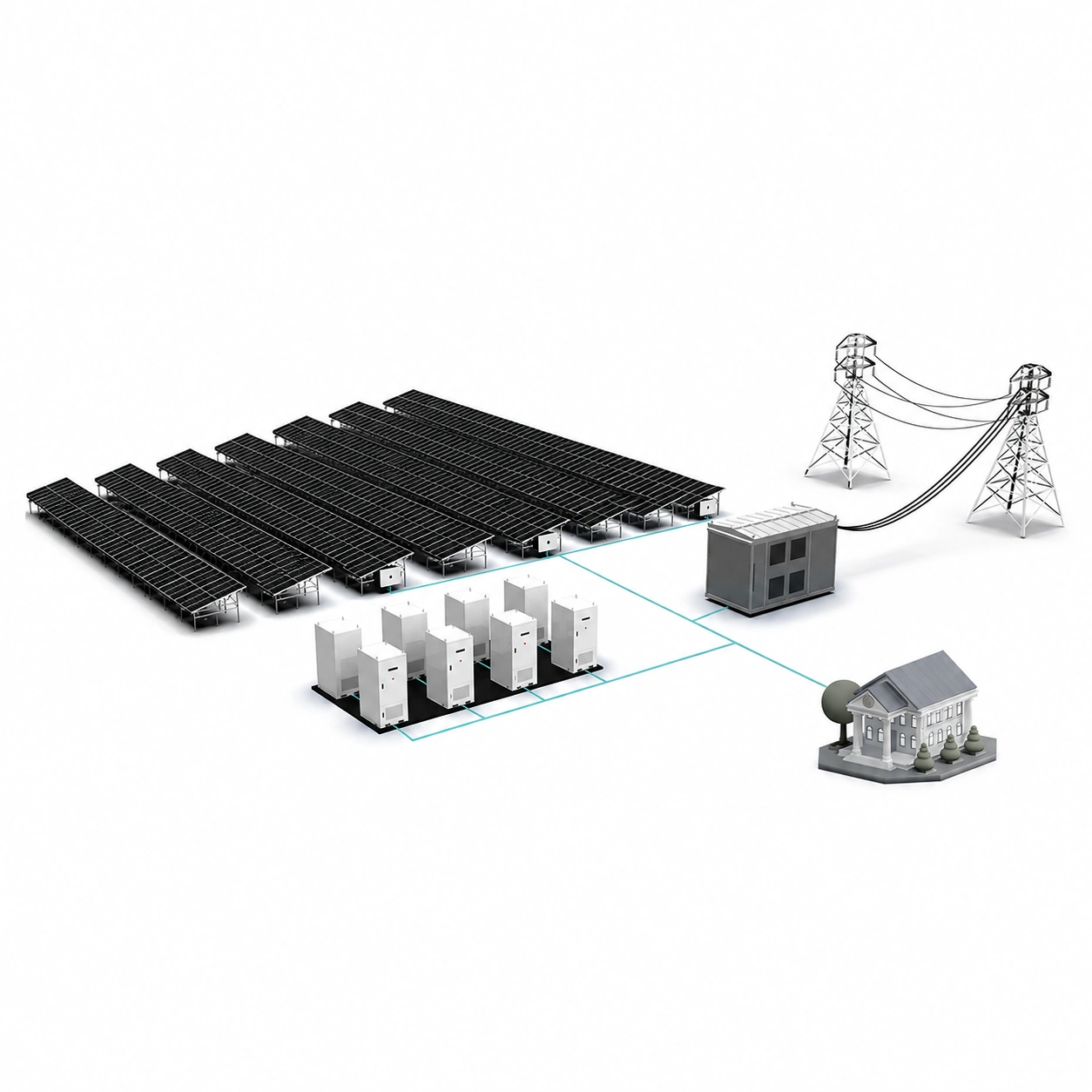
The PV plant and battery system connect independently to a shared AC bus. EMS coordinates dispatch across PCS, medium-voltage interconnection and the grid.
The Engineered Storage Unit
Each enclosure is a factory-integrated storage unit, designed around electrical, thermal, safety and control requirements.
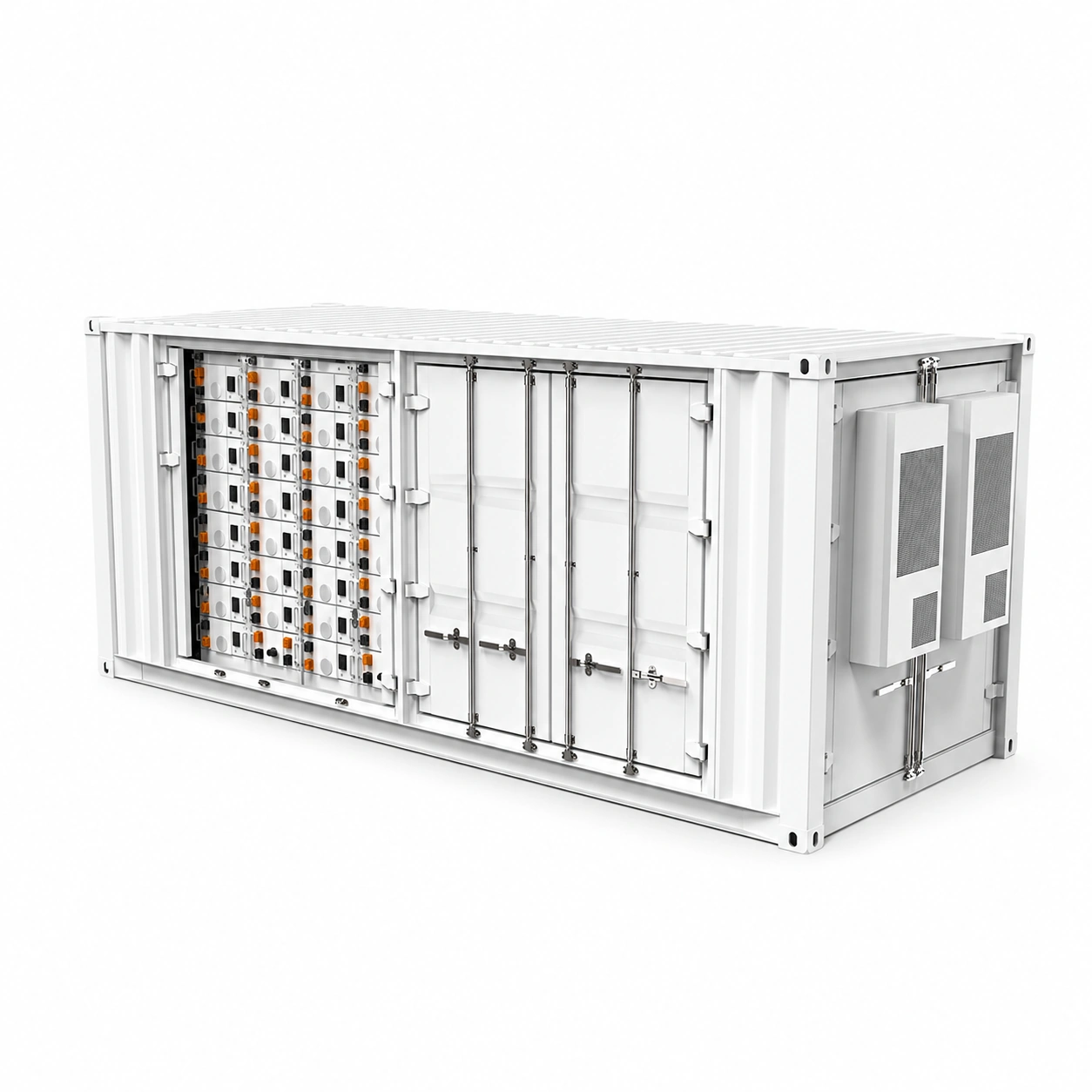
20FT integrated unit
A compact, factory-integrated storage unit for distributed utility and large site projects.
View Container →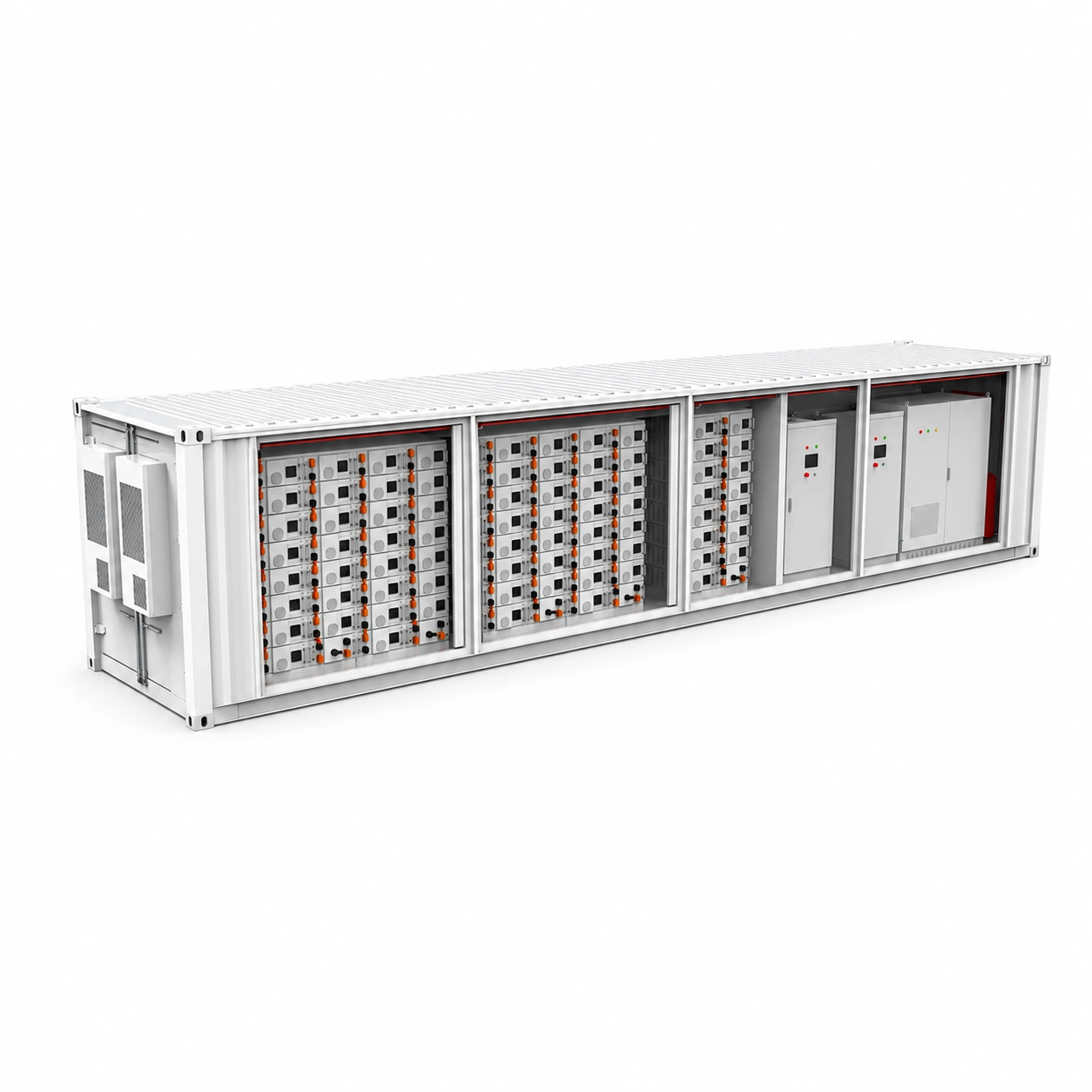
40FT integrated unit
A higher-capacity integrated unit for multi-container energy storage plants.
View Container →Integrated engineering
What We Can Deliver · Complete Systems
Two complete configurations bring containerized storage, PCS and transformer design into a project-ready system.
Application Scenarios
System power, storage duration, interconnection and operating mode are engineered for each site.
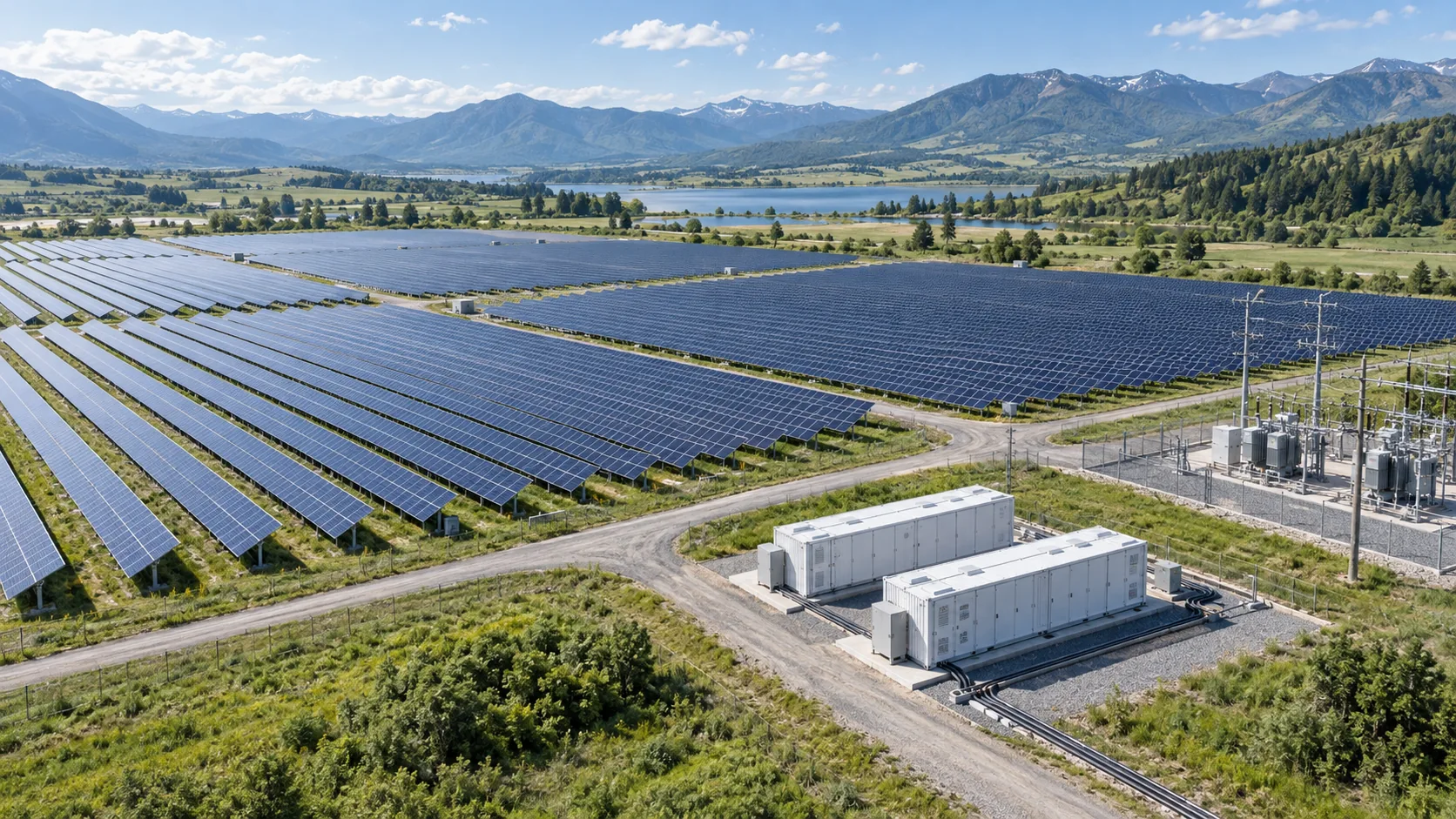
Make renewable generation more dispatchable.
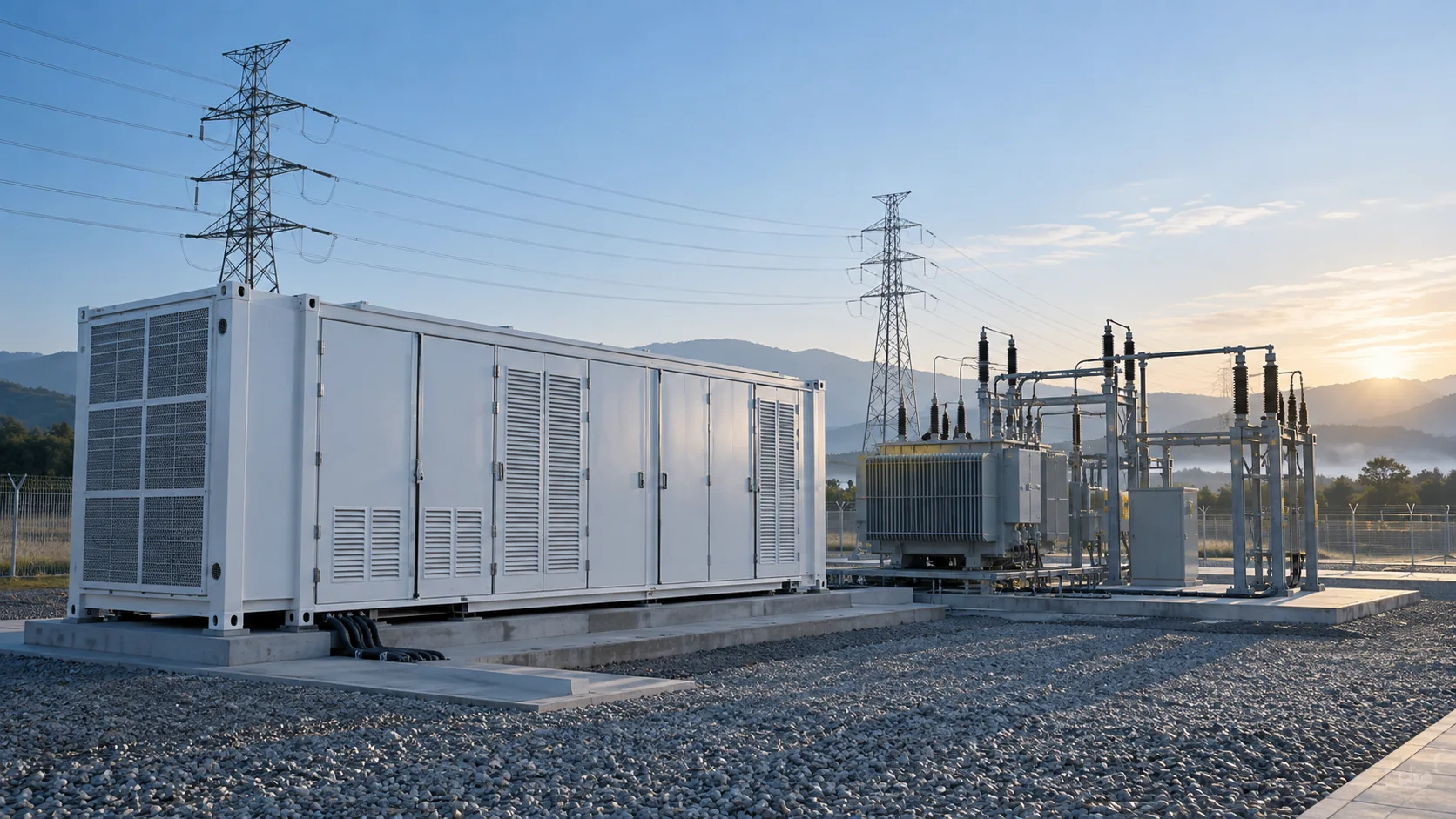
Support power balancing and capacity needs.
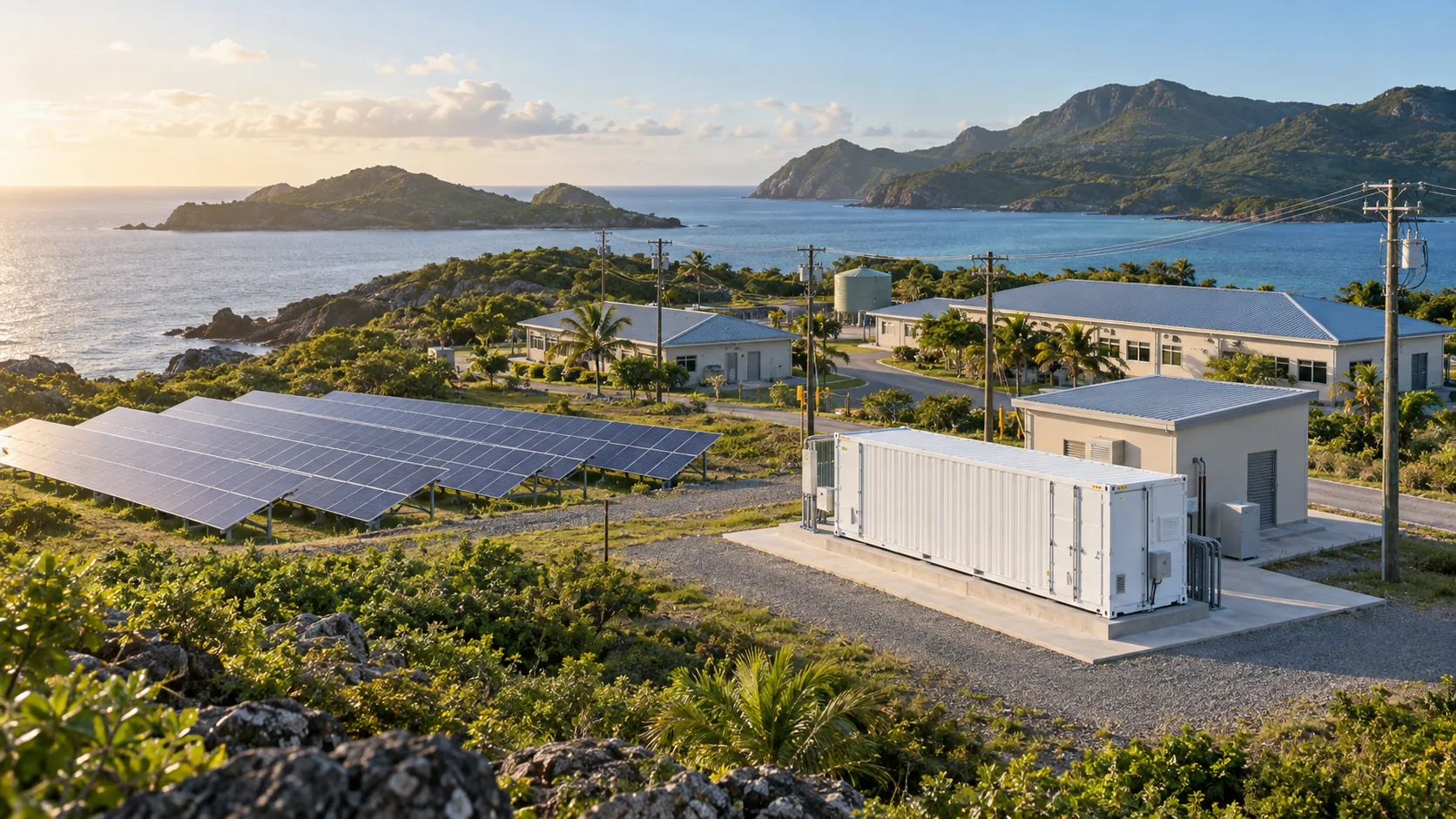
Coordinate generation and storage across a local network.
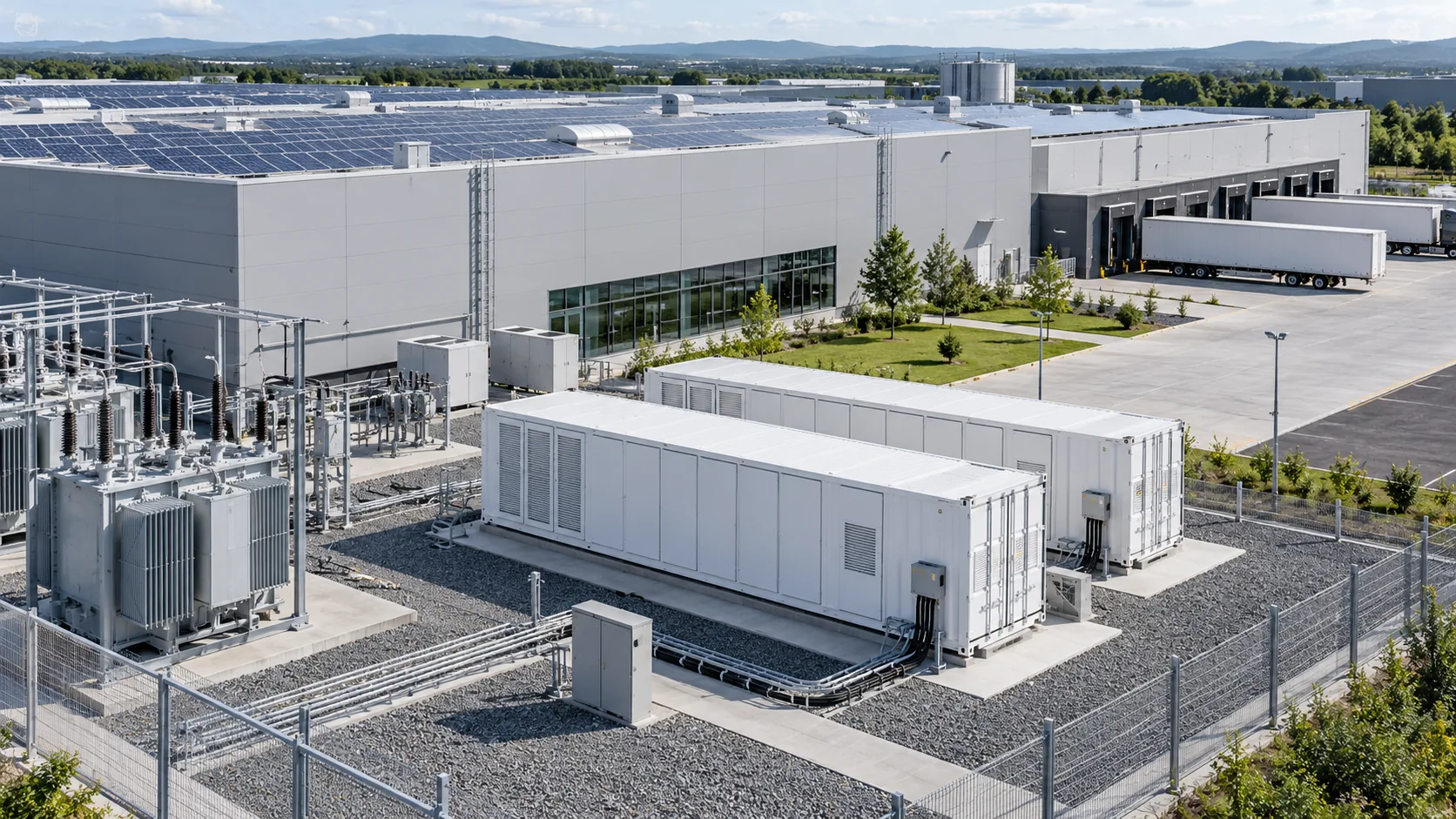
Serve critical demand with project-scale storage.
Real Utility Projects
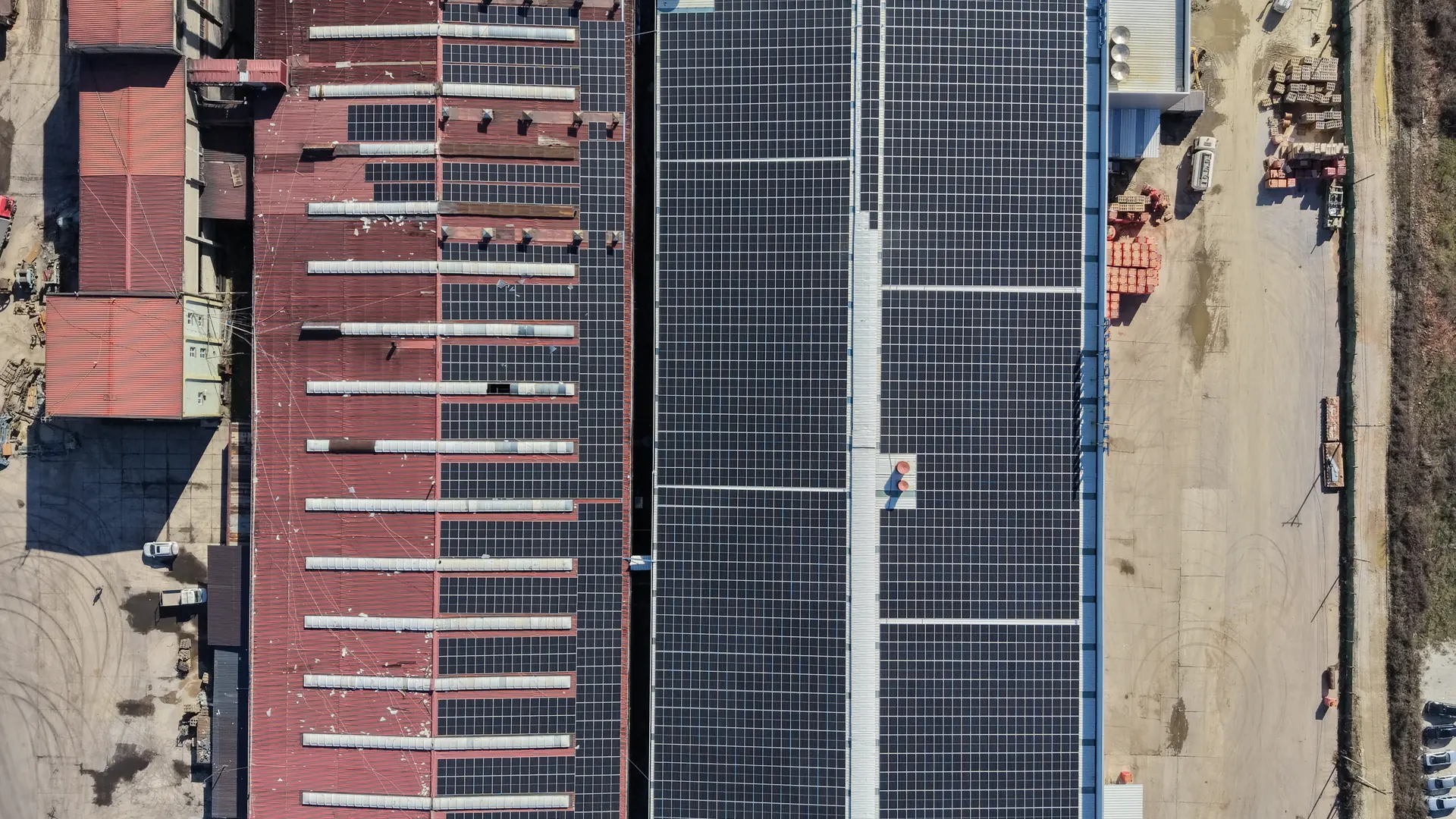
Published projects with recorded storage capacity from the Bluesun project library.
View All Projects →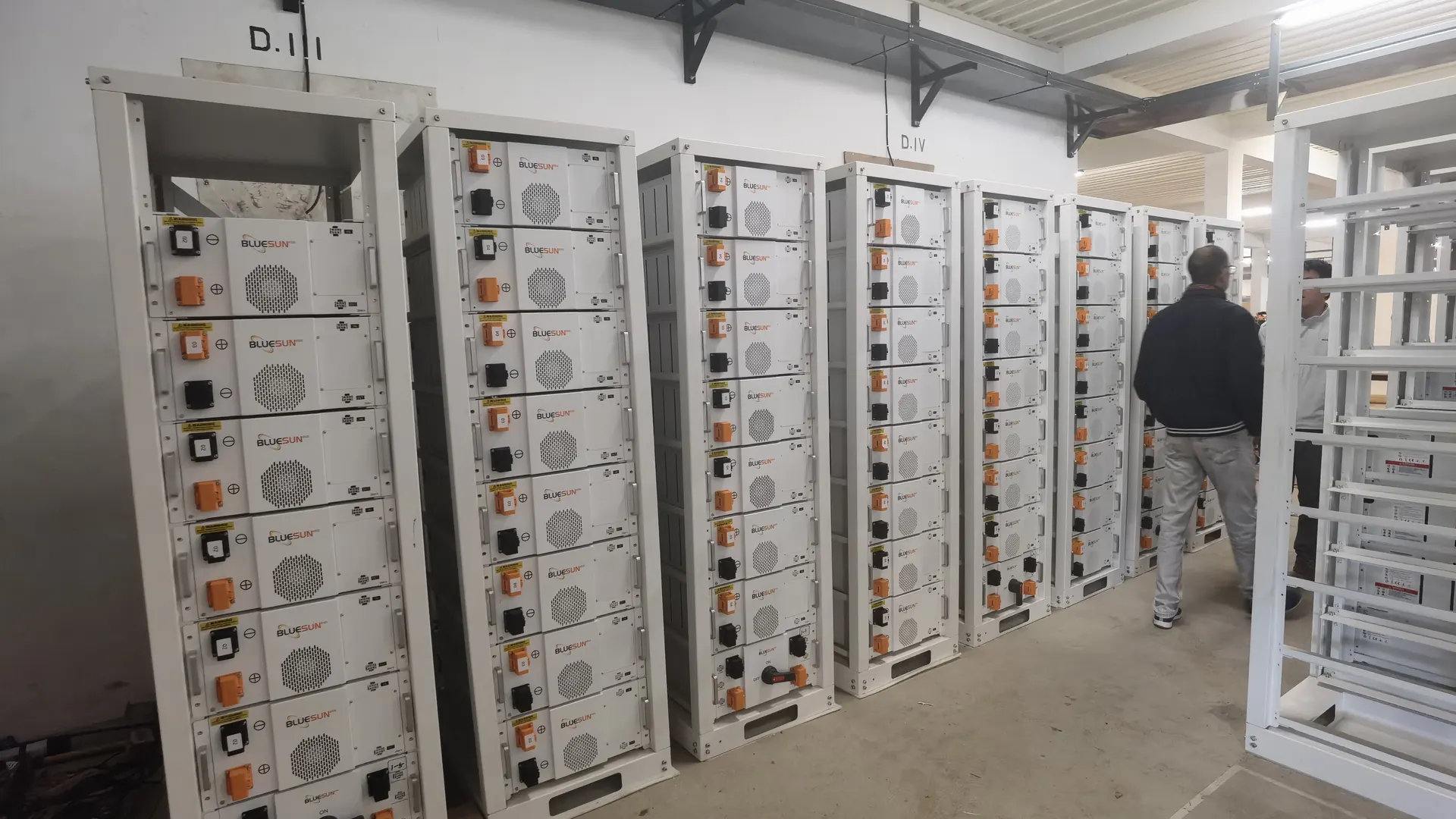
Frequently Asked Questions
Key questions before detailed system sizing and grid engineering.
PV and battery storage connect through their own conversion equipment to a shared AC bus. The EMS coordinates charging, discharge and power exchange with the grid.
AC coupling can allow storage to be added while retaining the existing PV inverter. Compatibility, metering, grid permissions and the site single-line diagram must be reviewed.
The choice depends on the required power, usable energy, site footprint, duration, transport constraints and expansion plan. Detailed engineering confirms the container configuration.
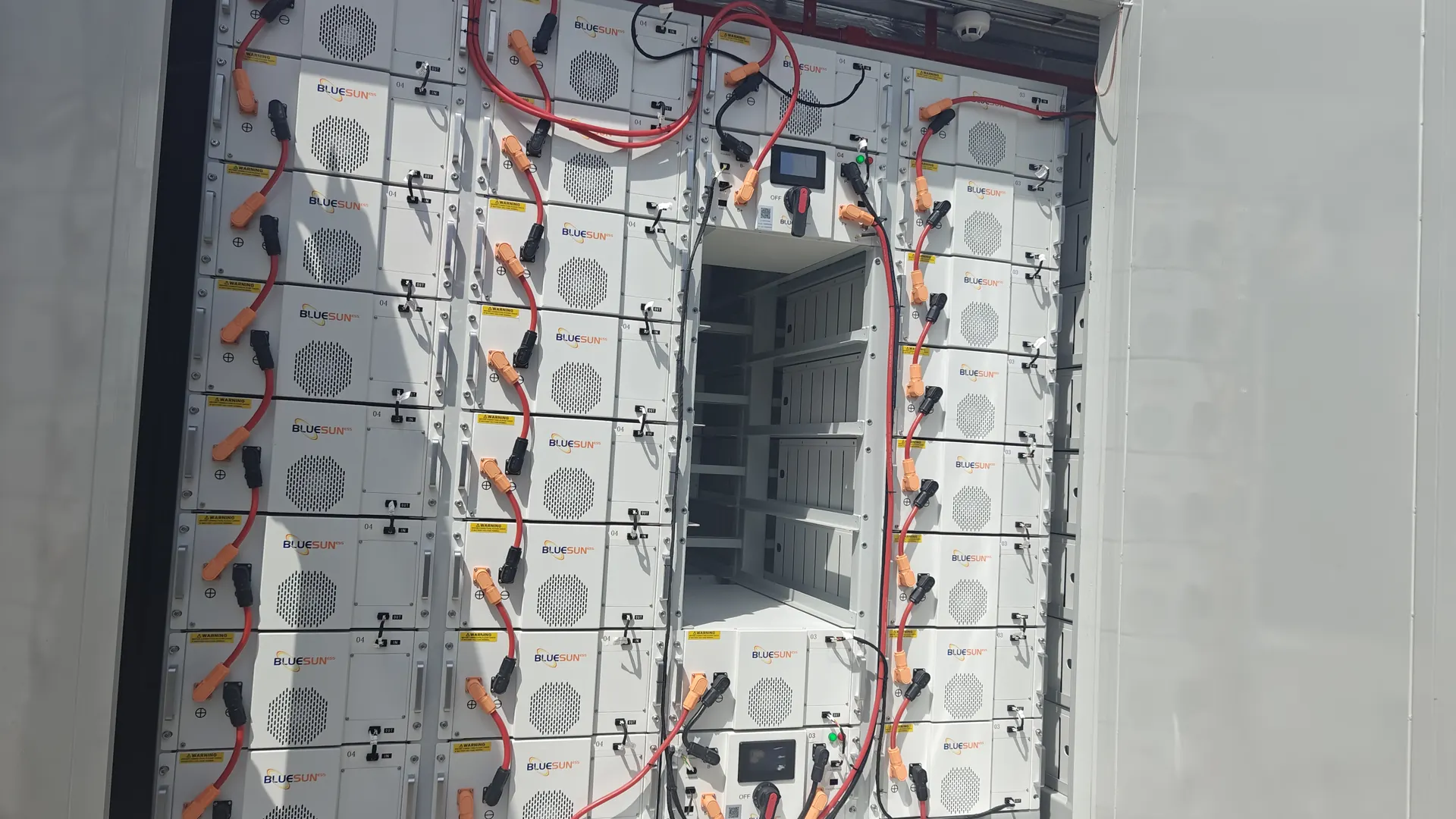
A project configuration can integrate battery racks, BMS, thermal management, fire protection, electrical protection and monitoring. The exact scope is confirmed in the technical proposal.
Grid support and backup depend on the PCS, switching design, EMS strategy, interconnection requirements and the loads to be served. These functions must be engineered for each project.
Containerized units can be combined for larger power and energy requirements, subject to site layout, MV equipment, controls and local grid approval.
Build at Project Scale
Share your PV capacity, required storage duration and grid conditions for a tailored engineering proposal.